
A marine electronics company needed a waterproof enclosure to house control equipment on a vessel. The enclosure had to be lightweight (to not add weight to the boat), corrosion-resistant (marine environment), and have cable entries on multiple sides. The original design was in stainless, but the weight was a problem.
We suggested switching to marine-grade aluminium (5052 alloy), which is lighter and naturally corrosion-resistant in marine environments. We laser-cut the panels, CNC-bent the box section, TIG-welded the corners, and added gland plates for cable entries. We then sent the enclosure for powder coating (two-pack, for UV and salt resistance). We test-assembled the lid and gasket before delivery.
The aluminium enclosure weighed 40% less than the original stainless design, was fully watertight, and has been in service on the vessel for over a year with no corrosion. The client has ordered two more enclosures for different vessel models.
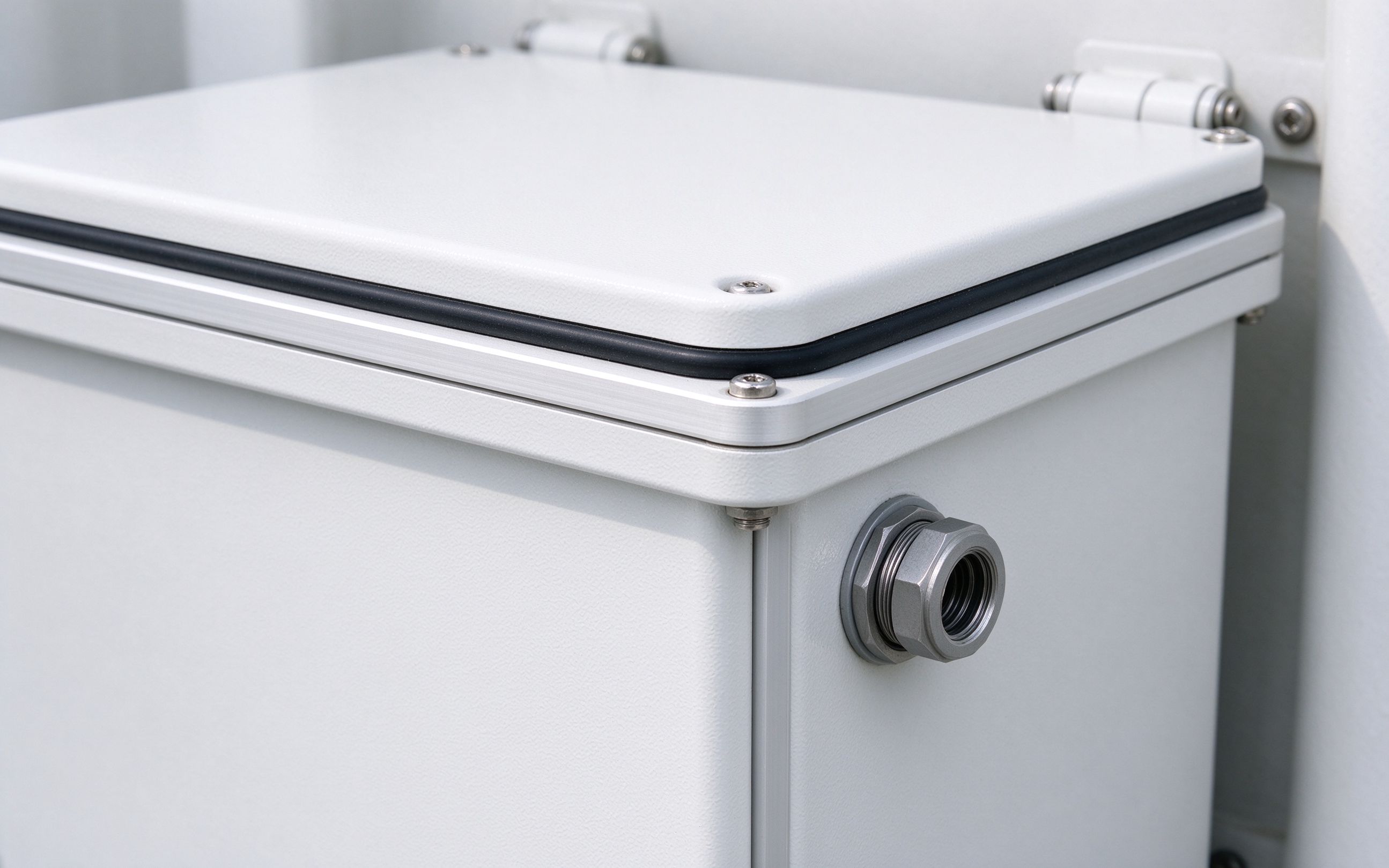
The client's first design was in stainless steel — the default for marine electronics enclosures. But on a small vessel, every kilogram matters. Stainless is nearly three times heavier than aluminium, and an enclosure that weighs 8kg in stainless would weigh just 3kg in aluminium. We suggested switching to 5052 marine-grade aluminium, which has excellent corrosion resistance in salt-air environments and is naturally lighter.
The client was concerned about weld integrity in a marine environment, so we TIG-welded all seams with 5356 filler (the marine-grade aluminium filler), pressure-tested the lid seal, and confirmed the enclosure was watertight. It's been on the vessel for over a year with no corrosion, no leaks, and no issues.
Discuss a Similar Project